It’s a beautiful afternoon in early May, and Mo-Kan Dragway in Asbury, Missouri, is hosting the inaugural 405 Shootout. Although Speed Promotions Racing (formerly No Prep Kings) is hosting their season opener at Famoso Dragstrip near Bakersfield, California, on the same weekend, numerous OG Street Outlaws cast members are at Mo-Kan, including James “Doc” Love, Joe “Dominator” Woods, Sean “Farmtruck” Whitley, Jeff “AZN” Bonnett, and Jerry “Monza” Johnston.
Editor’s Note: This story originally appeared in DI #196, the State of Drag Issue, in September/October of 2025. Since then, Speed Promotions Racing cancelled the final races of its 2025 season, effectively ending the Street Outlaws era.
After 15 seasons of the original show, plus countless spinoffs, many of the drivers are at a crossroads: with no television deal currently in place and fewer contracts being offered, they must decide how to proceed moving forward.
Drag Illustrated sat down with Love, Woods, Whitley, and Bonnett during the 405 Shootout to discuss the early days of the show, how it evolved over time, and what the future holds.
Looking back on when the original 405 show first started, did you ever believe it would blow up and become as popular as it did?
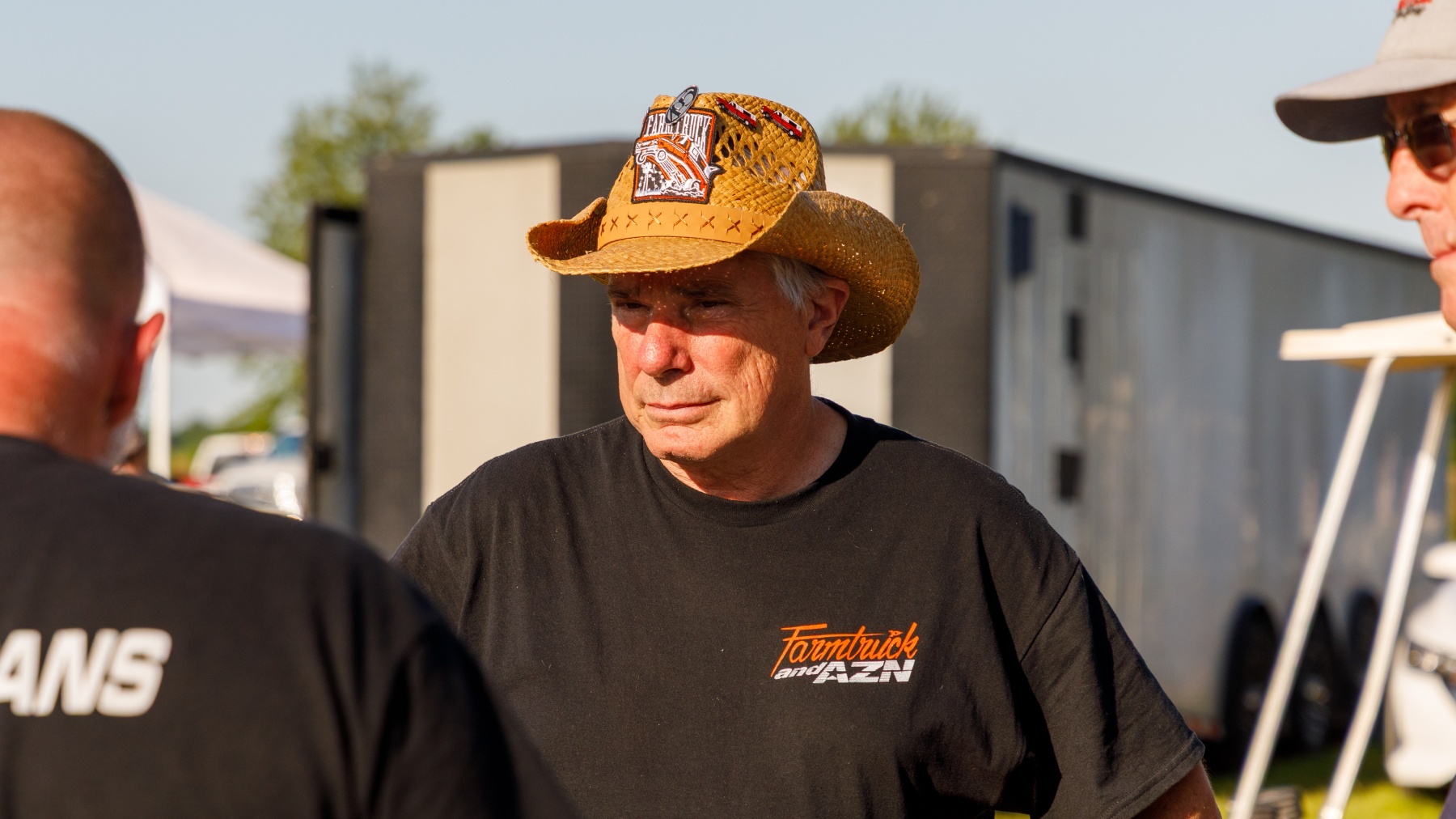
Sean Whitley: Oh no, we definitely thought they were cops. We thought it was a sting operation. And whenever they sent the guys out to film the sizzle reel, I thought, “They’re going to film us racing each other for how long? Eight weeks?” I thought they’d never air a single episode. The first season was eight episodes, and I really thought we weren’t going to make it out of our first season. For it to go 12 years, and we’re still recognizable, that blows me away. Everyone recognizes the truck. That’s just an old crappy truck that we built in my garage. We worked on it on weekends and started racing it, brought it out of town and it was a great sleeper, it worked. But yeah, I’m still blown away that we can go to a track and have a line.
Jeff Bonnett: I think Farmtruck says it all. Farmtruck, he was just a friend. I had all but sold my car. I was helping my buddy get his truck down the road, talk crap, and getting races. But the moment the film crew came and legitimately started filming the show, we knew our lives were going to change. We just didn’t know what direction, for good or bad. But we said yes, we committed, and I think every guy or gal on the show in the very beginning was committed. We were all ready to do the job, and that’s the big coincidence in it. All eight to 10 of us were ready to say yes and commit to the entire filming.
Joe Woods: No, I truly didn’t think it was going to be that big of a deal. We were just doing some silly, stupid teenage stuff in our adulthood. We filmed the first three seasons in the first year, and right after season one aired, Thunder Valley put on Outlaw Armageddon. I didn’t even take my car. At that point in time, I didn’t realize we had become anything. I got down there, and they were 15 feet off the fence. My brother couldn’t see the track. The stands were completely packed, and he and his wife were standing on top of the bathroom, just so that they could see the races. That’s when I realized, “Holy cow, we’ve lit a fire in something that I honestly didn’t think was possible.” I was just happy as shit that I’m on the list of the baddest dudes on the street at the time. I had no clue that it was going to become what it became.
James Love: Yes and no. Yes because what we did was frigging cool as hell. You can look around at the spectators now, just to watch some idiots going out there and doing burnouts and street racing. In that aspect, how could it not be a hit? Then it’s like, “I’m just a diesel mechanic nobody from Oklahoma City. This can’t be happening to me.” We’d never had a camera in our face, and most of us, myself included, sucked at the beginning of it. You just tense up and don’t know what to say. Everywhere you look, there’s a camera guy and a sound guy, and everybody’s watching you and they’re wanting you to just be normal. From the aspect of a camera crew filming some stupid, redneck, backward-ass guys doing stupid shit on the streets at 2:00 in the morning, did I think that was going to make a hit? No. But at the same time, I believed in it, and that led to 12 years of awesomeness.
You all have done this for quite a while now. Looking back on the show, what’s either a favorite memory or accomplishment that each of you had over the course of Street Outlaws?

Love: It’s no secret that me and “Big Chief” [Justin Shearer] never really got along. “Murder Nova” [Shawn Ellington], being best friends with Chief back in the day, it was kind of always me against them. Probably the first moment that really sticks out – besides taking the Crown away from Murder Nova – was when I raced Petey Smallblock in an out-of-town race, and everybody got behind me and put their own money up. Chief told those guys from New York, “You put your pot together, we’ll match it.” I believe the pot ended up being 21 grand, so winning that race and winning 21 grand for Team 405, having all my boys stand behind me, put their own money on me, it’s just a great feeling. You beat the out-of-towner. Everybody believes in you, and it was the biggest money race of the night. Besides winning the Crown, that’s probably my second-highest achievement, right there.
Woods: I never actually had the Crown in my possession. Three weeks before we started filming, I was racing Murder Nova for number one. I had to race on a budget even back then. The whole reason I started racing with these guys on the street was because I couldn’t afford to race at that caliber at the track. The first Cash Days I showed up to, I had a small-tire Z28 that was driven in Daily Driver. I start walking through the pits and I’m like, “These are all back-half cars, full-blown big tire, three-kit nitrous deals.” I didn’t even pay my money to get into Cash Days. That’s just a waste. Two weeks later, I had my Dart, and I was ordering a transmission. I put a 509 in it and a 500-shot of spray, and that’s where I started.
Bonnett: That’s a tough one. I guess for us, as hard as it is, it was the places this took us. It took us to Canada, it took us to Australia, it took us to South Africa. For us to be able to look at how other car cultures and countries do this gave us the gratitude to be able to look at how good we have it here in America. Yeah, we filmed a lot. We had a lot of races, we won a lot, we lost a lot, but it was the perspective we were given that we have it pretty good here. Yeah, nothing’s perfect. Other countries do a few things cool and a little bit different, but at the end of the day, this is the greatest car culture on planet Earth. Everyone should go experience something different to gain the gratitude that we should all have here. That’s what keeps us motivated, that’s what keeps us going – because we know how good we actually have it.
Whitley: Talking about memories and favorite moments…my favorite moment is when we built the Dung Beetle, and AZN got behind the wheel. He had to row gears, and he showed them all how it was done. It was the only stick-shift car out there and he did pretty damn good, outrun a bunch of supercars with it. Even though we’re not related, he’s 20 years younger than me and it was like watching my boy. We built the car, we raced the car, and that’s one of my fondest memories.
As things progressed, it wasn’t just the 405 show anymore. With nearly 20 spin-off shows, you were basically filming year-round. With a cast made up primarily of regular, blue-collar workers, how did you balance your regular jobs and filming full-time?
Whitley: Well, first of all, you mentioned spin-off shows. I think we, or Street Outlaws, set a record for the most spin-off shows in any reality TV show series. We’re proud of that.

Woods: I was very fortunate. At that time, I was a welding and structural superintendent for a drilling rig company. I had 42 rigs in the field total. Half the town worked for the man that owned the company. When he sold the company, I had to interview to keep my job. We built 22 drilling rigs in 24 months. We had 147 welders working for us, and it was chaos. The whole time we’re building these rigs, I’m racing in the street. There were times when I would come to work with my car on the trailer out in the parking lot, because I just came back from racing in the street. My phone rang 24/7; I literally slept with it under my pillow so it would vibrate and wake me up. I’ve been building and working on cars since I was a kid. I would race in the street and chase the oilfield stuff. I couldn’t keep up. We had some disagreements at work, and I was like, “It’s time.” It was not a hard decision. I stepped away from that and focused on the show.
Love: We were a hodgepodge of everything you could think of. There was one year that I personally filmed four different TV shows. I know it was our original show and No Prep Kings. I did Mega Cash Days, and something else. I can’t remember what the other one was, but I filmed four shows. I never made America’s List, so I could have been doing five, maybe even six shows.
It cost me my career. I couldn’t be there to run my shop. I had to rely on other people to run my shop, and nobody can run your shop like you do. I had to make the decision: close the shop and continue filming, or quit filming and go back to the business. I don’t want to be a diesel mechanic. I’m tired of working on diesels. My hands hurt, arthritis, shoulder, back. I chose the path to do something I love. Even though we’ve been struggling, I still want to go down that road. I love the fans. The racing can be as bad as it can be, and the fans all turn it around.
Bonnett: I think what you saw was an expedited evolution of car guys. We start out racing go-karts, and then we get a little street rod, then big tire, big blocks, and now we’ve got fiberglass bodies. In a 12-year period, you had an influx of sponsors and investors, you had people that wanted to be involved at any cost. And I tell people, these cars were the fastest on the planet because every single manufacturer was waiting to give these parts away. Tires couldn’t get any better, there were no bigger superchargers, nitrous was what it was, and they were just throwing parts at it.
And now, these other events, they’re trying to emulate the culture that this show created to go backwards. You’re seeing all these Top Fuel guys, these characterized athletic type of divisions go backwards a little bit to recapture what Street Outlaws may have created, but at the end of the day, that 12 years was a fast-track on the launch pad to the evolution of a normal car guy.
One of the most popular spin-off shows was No Prep Kings. How did you all balance the idea of being street racers that are now competing at the track, but also giving fans of the show the opportunity to come out and experience what you’re doing?

Bonnett: I’ll be short with my answer. I think Farmtruck and I, at that point, that was maybe the seven- to eight-year mark, we saw the show evolving too fast and we saw the ship growing and we saw it getting out of control. Farmtruck and I took it upon ourselves to say, “OK, I don’t know if the other guys are into this, but we’re going to at least try to throttle it down. We’re going to try to throttle-stop this. We need to start going backwards, guys. We need to start capturing the audience that was paying attention, because they’re not catching up with us. They don’t understand how fast this is going and they can’t relate.” So we tried to bring relatability back, first with Daily Driver and then Locals Only. It didn’t work a hundred percent, but Farmtruck and I at least gave a valiant effort to reel back the evolution a little bit.
Love: We personally didn’t care. We’re getting paid to race. That was the road to us going to full-time jobs with this stuff. Our fan base was literally seven-year-olds to 75-year-olds. What part of that fan base is actually going to get to see us race on the street? A very small percentage. The only way we could give back to our fans was to go to the track. No prep was invented to get street racers off the street. It evolved into its own animal, took off, and it’s its own thing now, as far away from street racing as it could be. Everybody wants to outrun everybody. That evolution led to where it’s at now: the best of the best cars, parts, and tuners. Nobody does it alone, like we used to. Am I happy with it? No. I wish it was still back to the original, real no prep days. That’s where I feel like blue-collar guys like me, that can’t afford the best of the best, will shine.
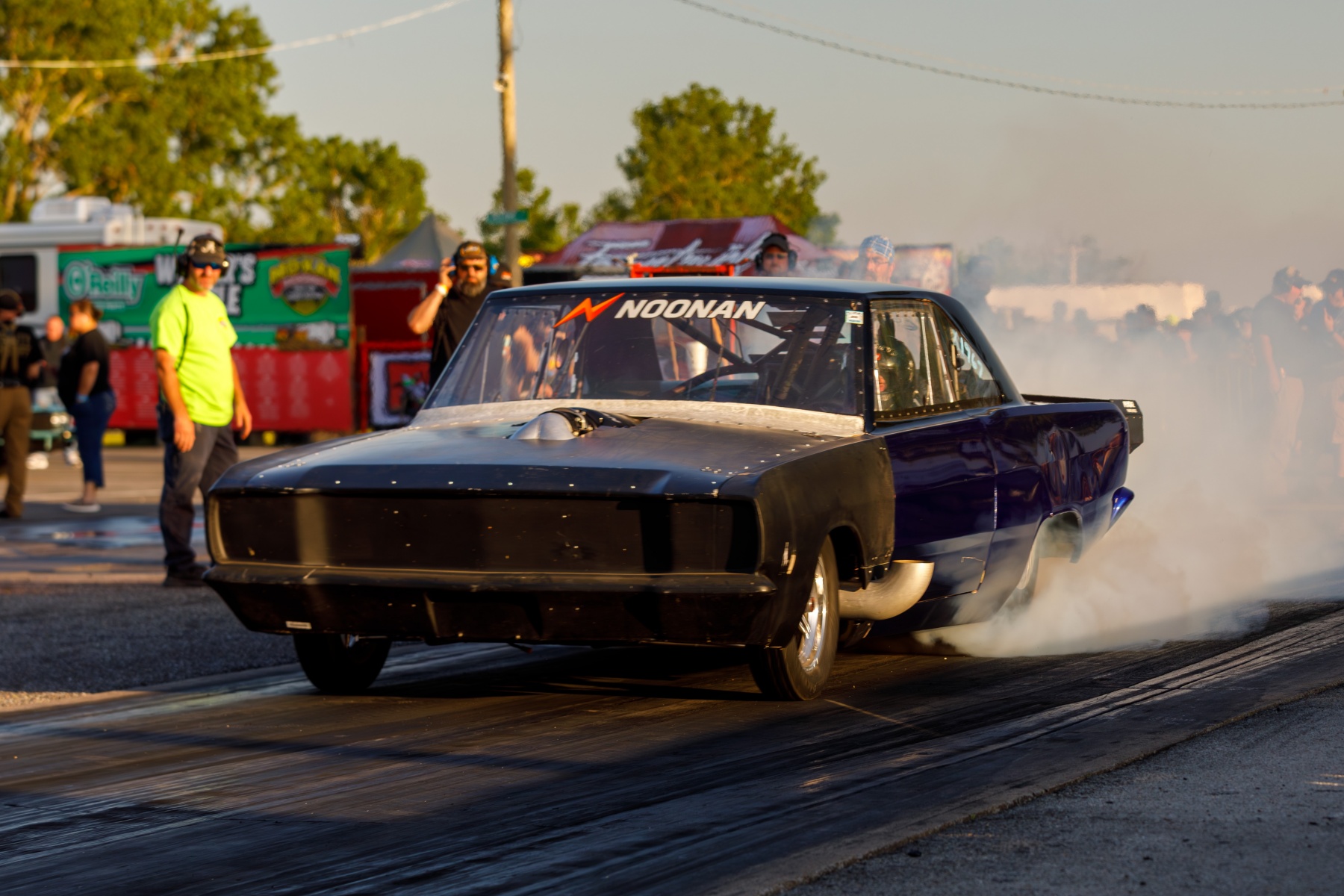
Woods: I thought I understood what NPK was going to be, but in the beginning, we were on sketchy, small-town, little bitty tracks. Birdman’s Firebird would run mid-3.90s. My car ran high 4.20s, and I could outrun 3.80 or 3.90 cars because the surface wouldn’t take it, so it was legit. You can have a 5,000-horsepower program, and it doesn’t do you any good. You have to get down the surface.
We were in Kentucky and the fire marshal showed up and locked the gate, and there was still a six-mile line in both directions. You can’t go anywhere without being recognized. I’m not complaining about that. I’ll talk to every single person that wants to have a conversation. Without the fans, we don’t get to do what we do on the platform we’re doing it on. My hope in this whole thing is that those little kids that are running in Jr. Dragsters never stop drag racing. I want to hook those kids.
Whitley: Well, a little bit of the history of the show and how it evolved. Every human wants a nicer home and a nicer car. Same thing with racers – they want to go faster. We had run out of real street racers on Street Outlaws to race and the producers started finding us races, and that’s when you saw Pro Mods show up. All the other guys said, “Hey, we’re in front of the world here. We got to step up our game. If we’re going to be racing Pro Mods on the street, we got to do this.” They did what they had to do to compete.
AZN and I, we knew we couldn’t compete. We just wanted to keep it simple. So we still have the same old Farmtruck. We put a bigger and better motor in it, but it’s still streetable, and it’s still what we wanted the show to be. Our last season, we were driving street cars, we were cruising, we were getting back to our roots. Everybody was having fun, no one was arguing. We were racing in other towns, other states. That was the best the show had been in a long, long time.
With the evolution you talked about – the never-ending desire to continue going faster combined with big-money teams jumping in – do you believe it eventually went too far from what made it popular to begin with?
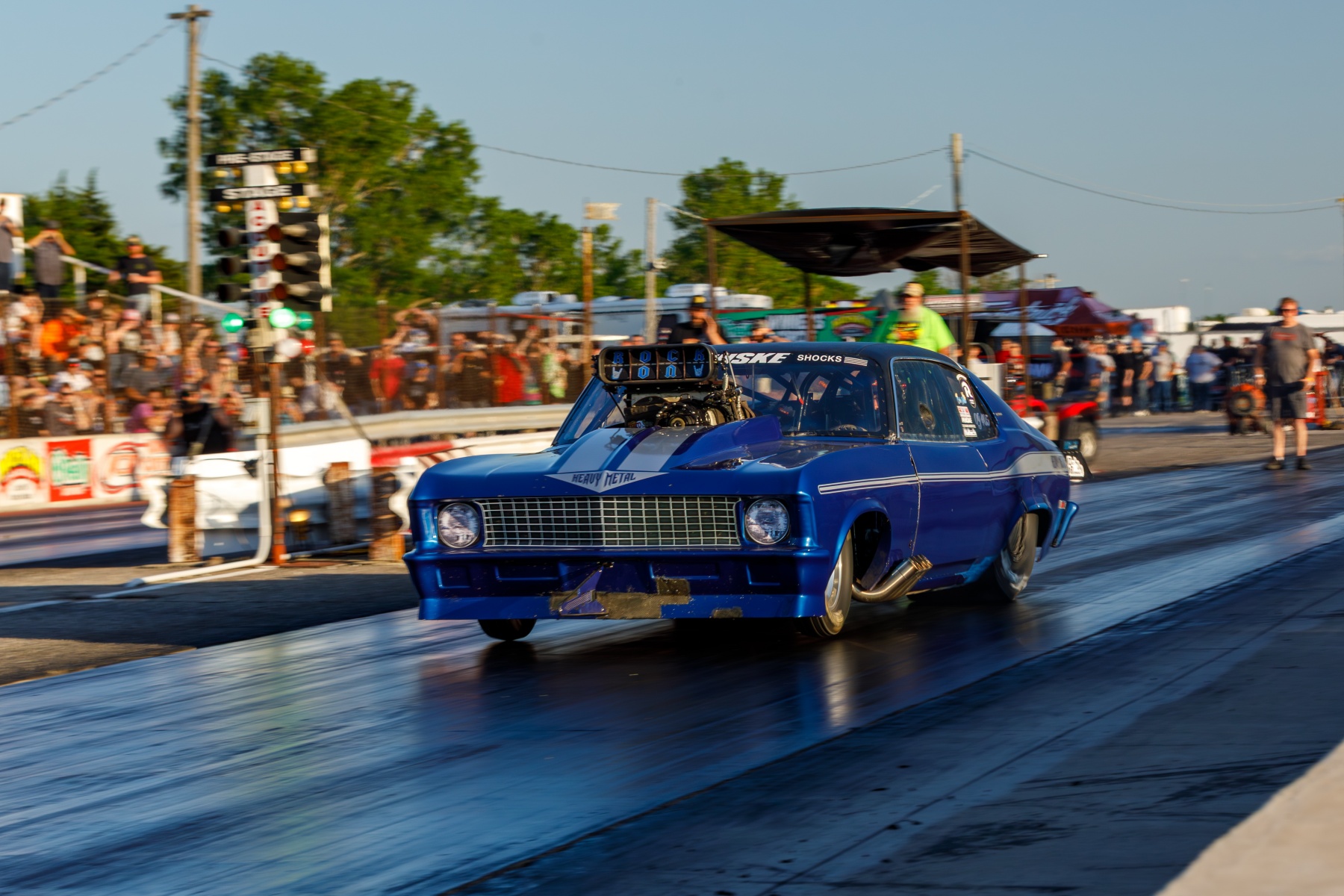
Love: I’ll say something about that. We had some new guys come in and immediately make an impact. Clay Cole, Nate Sayler, the Gucci car, those guys basically built Ryan Martin’s car in a different body. They literally called Pro Line and said, “I want to run with Ryan, I want to compete with Ryan Martin,” and they told them how to build the car. It’s the same tuner Ryan has, so now instead of one Ryan Martin, you have five. That’s where it went, and I’ve just never been a follow-the-leader-type guy. I didn’t want to be like the next guy, nor could I afford to build a $300,000 car. So we just do it the Doc Love way and try to make the best of it. If it ever goes back to the way it used to be, I’m so much smarter now than I used to be, so much more ahead, that I feel I could go back to dominating like I used to.
Whitley: Well, it’s gone too far for us, but not for them. They did it, and I’m glad they stepped up and built these awesome cars to compete. People evolved and they got better at what they do. AZN and I, we’re still stuck in the past.
Bonnett: I have to look at it from a business perspective, so it has gone beyond fun. It has gone beyond recreational weekend activities. It’s now a business, and so the question is can you maintain a level of redneck loyalty with a business? That’s to say have monster trucks gone too far and should return back to being trucks? Hell no. They can’t have boring caricatures. They can’t turn into NHRA where it’s like, “I’m Scott and I’m sponsored by A&A Attorney Company. It’s been a good run this year.” You got to lose this monotone; you got to reinvent the wheel a little bit. The cars have got to be fast, they’ve got to be safe, but they’ve got to be relatable in some regard. They’ve got to find a lane outside of what NHRA is. Don’t be NHRA; be something different.
Woods: That was my fear because the track was always the equalizer. Even Murder Nova bashed what we were doing in the beginning. Then he shows up and he’s like, “Holy shit, this ain’t no joke.” The programs we are racing against today, a lot of those guys spend $2-4 million a year. I’m happy for them, don’t get me wrong. I would love to be in their shoes. A lot of them rotate their engines and their transmissions every year. To be fair, I still don’t have two engines. When I put the Noonan Hemi in my car, for three years it never came out. I don’t push it to the absolute limit. I would love to, but I’m not in that financial boat. If I break the engine, I’m done for a month. The reality is – and this is a very hard pill to swallow – if you’re not on that level, you’re getting your teeth kicked in.
Looking ahead, with Speed Promotions Racing taking over what was formerly No Prep Kings, and no television show currently in place, what are your plans moving forward? Will you continue with SPR, or focus more on match races and paid appearances?
Woods: I don’t want to quit. I don’t. It hurts, and a lot of people don’t understand, but the reality is I don’t want to see Street Outlaws die. I’ve given 12 years of my life to this. At the same time, I’ve been blessed. My car ran 4.80s, now it runs 3.80s. I’ve learned how to make a car go a full second faster. I love the Speed Promotions thing. I’m going to do the ones that I can afford to go to, because I still want to be a part of it. It’s hit the point where the only rule right now is steel roof and quarters. Well shit, Kye [Kelley]’s car weighs 2,560 pounds. Mine weighs 2,700 pounds. He’s 140 pounds lighter than mine. I can’t hang with that.
But I’m going to do everything I can. I love the fact that I have the time right now to go do appearances. We haven’t got to do appearances like this since NPK started. The one-on-one with these people, listening to how they’ve got this car or they’re building that car, that’s my drive to continue doing this.
Love: If we were still on TV, I could tell you a better direction where we’re going to go, but honestly, we’re in the dark out here. I can’t afford to chase these multi-million-dollar teams around. I’m asking a 30-year-old repurposed bracket car to do what it was never built to do in the first place. Yes, I get paid a little bit of money to go, but in the long run, it’s not worth it. I hate to say that the fans aren’t worth it; I just can’t financially compete anymore, so I’ll do what I can.
If I can’t do a Speed Promotions race, then I’ll do an appearance like we’re at right now. In the last five years, we didn’t have time to do appearances. We didn’t have time to go out and just meet the fans and race our cars for fun, so I want to get back to that. I’ll still get in front of the fans, entertain, and do the best I can. I’ll do that until they don’t want to see me anymore.
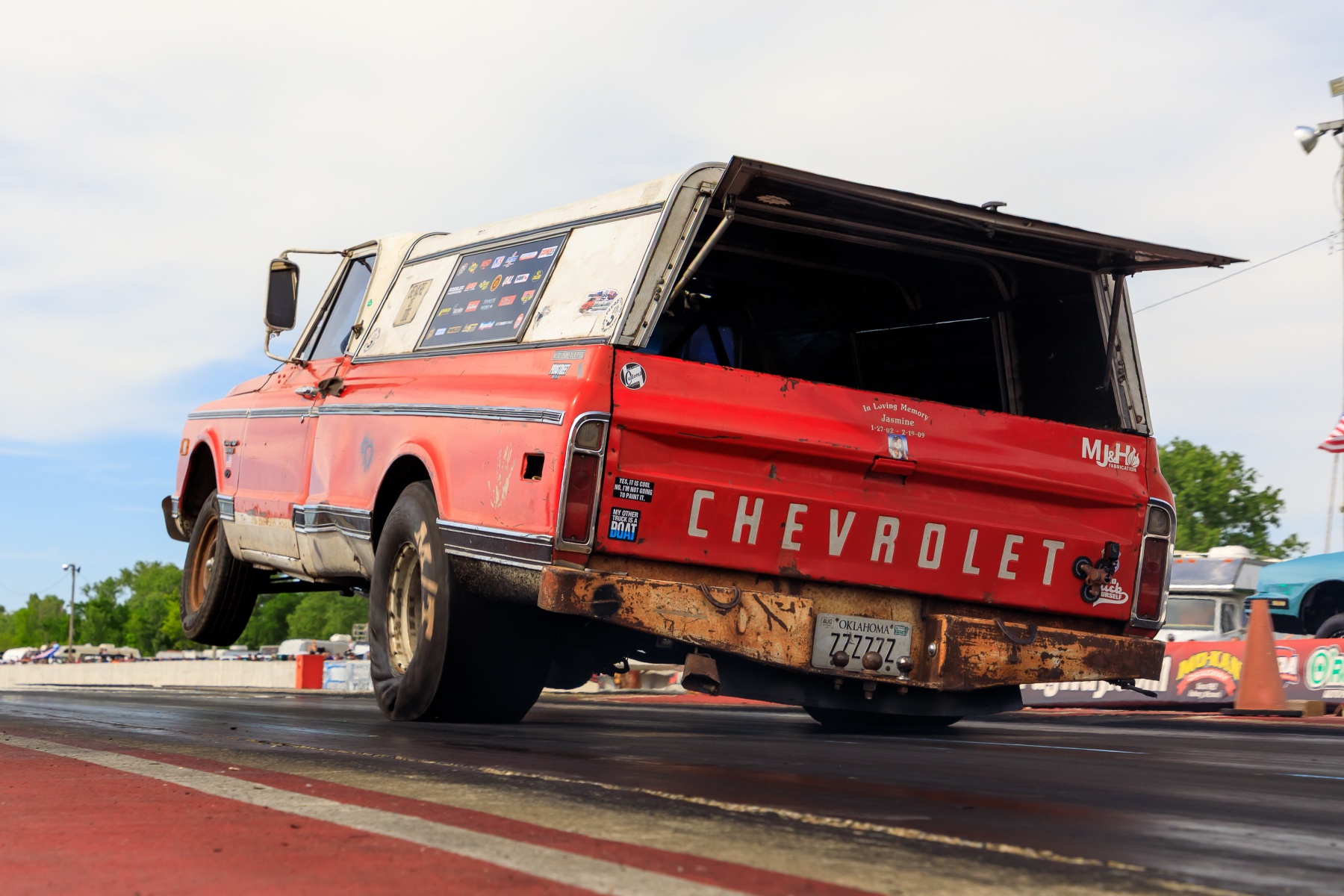
Whitley: No, we want to do what we want to do. We want to build cool stuff. We just got done with our “Funny Farm,” which is like a double truck, with two front ends. And we want to have a lot of fun creating stuff like that. We want to come to these tracks, do some grudge racing. We don’t do much street stuff anymore. A lot of these small towns will block off the roads and let us race. We love that stuff.
We’ve been invited to go out and race with the other guys [SPR], but we didn’t hear from them in a long time and so we booked the whole year, and we really don’t have it in our schedule to go this year. We love doing stuff like this at small tracks like Mo-Kan. There’s lots of friendly people, a lot of hardcore Street Outlaws fans that come out to see us.
Bonnett: Farmtruck and I, we’re the zebras in the horse pen. We don’t know exactly where we fit into that program. I have no doubt that Speed Promotions would open the gate and treat us well, but at the end of the day, we just don’t know where we fit into that, and I don’t know if they do. I’m sure they’d reserve us a pit area, let us meet the fans, and sell the merch.
We found that in the past few seasons of being involved, the Farmtruck can’t compete, so we’re out there doing exhibition races. It’s just tough for us, and we really rally for those guys to do well and we want that series to do well, but until we find our own lane in that series, we’re just going to keep setting up garage sales across the nation and selling our wares, so we’re cool with that. And if it don’t work out, we’re going to start an OnlyFans.
The post Life Beyond ‘Street Outlaws’: Four Original Stars Talk Past, Present and Future first appeared on Drag Illustrated.