As Drag Illustrated celebrates its 20th anniversary and approaches the milestone 200th issue, we’re diving into the archives and republishing some of favorite features from 190-plus issues of the magazine. This cover story by Ian Tocher on Glenn Butcher, who won the 2024 PDRA Elite Top Sportsman world championship, is from DI #89 in July of 2014.
It’s the off season and most of Glenn Butcher’s race shop has been turned into a basketball court, complete with baskets at both ends and free-throw marks on the floor. His new ’69 Camaro Top Sportsman car, along with the race rig, is neatly squeezed into one end of the 104-by-52-foot structure while Butcher and several friends engage in a spirited game of hoops. Right now it’s basketball; next weekend it might be floor hockey or maybe set up for the epic, annual New Year’s Eve party that draws guests each year from several surrounding states and Canada. More often than not, though, it’s just a place to hang out and down a few adult beverages while bench racing and watching the snow fly until it’s time to race again.
Butcher grew up on this land. He built a house nearly 10 years ago on 22 acres of lush farmland that used to be part a 104-acre tract worked by his father, Fred, and mom Geraldine, where they had already raised three boys and a girl before Glenn came along, 14 years after his sister.
“A lot of people said I had a lot of parents growing up, but my siblings were already gone and out of the house pretty much by the time I started to get into any kind of major age,” Butcher recalls. “My parents always said that I was a mistake, but I always told them that I was planned because they wanted somebody to mow the grass and pull the weeds and pick the beans and shuck the corn. So I think I was well planned.”
His dad passed away nearly six years ago, as did two of his brothers even before that, but at 86 Butcher’s mother still lives nearby in the original farmhouse. His brother Jerry and sister Connie also have their own homes on the family compound, as Butcher affectionately calls the repurposed farm in Doylestown, Ohio, just a few minutes southwest of Akron.
“All but a few years of my life when I lived in an apartment with my wife, I’ve pretty much lived on the same property,” he says. “We’re pretty much out in the country. We used to have two traffic lights, but the bulb burned out in one of them so they thought it was cheaper to just put up four stop signs. So that’s the small town where I am. We used to be a two-light town; now we’re a one-light town.”
The Butcher family’s presence in Doylestown dates back to the 1930s, when Glenn’s grandfather started up Ken L. Butcher and Son, an early excavating company that dug basements using a flip scraper pulled by a team of horses. After his grandfather’s death in the early-‘50s, Butcher’s father took a few years to regroup before reinventing the business. Fred Butcher recognized the opportunity of tearing down the buildings from a previous century to make way for the modernization of America in 1955, taking Butcher and Son Inc. from a basement and sewer excavator to a demolition company.
By the early 1960s, Butcher and Son had advanced to demolishing several of the original rubber-tire factories around Akron, including large sections of Mohawk Tire and Rubber, Firestone and General Tire. “He was one of the pioneers of that in our area,” Butcher says with obvious pride. “So it’s what I grew up with.”
Still, he didn’t head straight to work in the family business. After graduating from high school, Butcher attended the University of Akron, where despite “never wanting to sit at a desk and count beans,” he took the time to earn an accounting degree. And though not his vocation, Butcher’s accounting expertise certainly comes in handy in his role now heading up the history-laden enterprise.
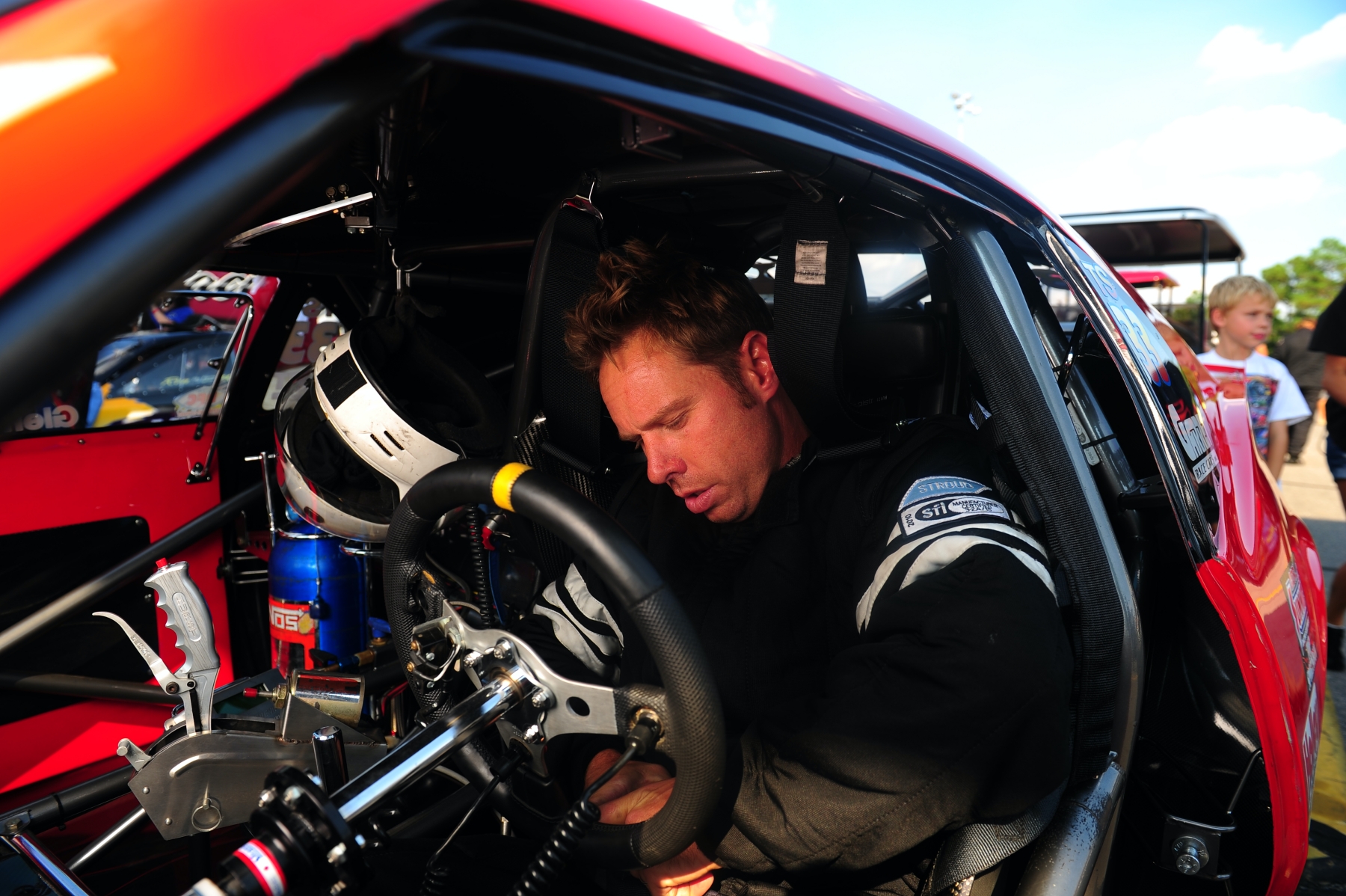
“Basically we do commercial, residential and industrial demolition; I always quote anything but an outhouse,” Butcher says, laughing. “We do a lot of residential demos for big packages where we’ll do, say 150 homes in one community throughout the year, or we do big factories or schools or small commercial buildings as well for building a new corner store or a new Taco Bell or McDonald’s.
“We kind of roam all over, where we might spend a couple of months on a job or a couple of hours. We could demo a house, have it backfilled to where in eight hours you wouldn’t even know it had been there. It doesn’t take long to make a house disappear,” he says.
“We do some explosive demolition as well, smokestacks or larger structure buildings. Most of our stuff is done commercially, but we do get the joy of blowing up a few things here and there,” Butcher adds with a smile. “It’s a really cool thing. Every day is different. You can’t demo the same building twice, and the technology and the engineering aspect behind it to make sure everything falls in the right spot or goes the right way can be fairly dangerous, too.”
Like so many of his peers Butcher also followed his father’s footsteps into racing. But unlike most he never got to see his dad actually compete.
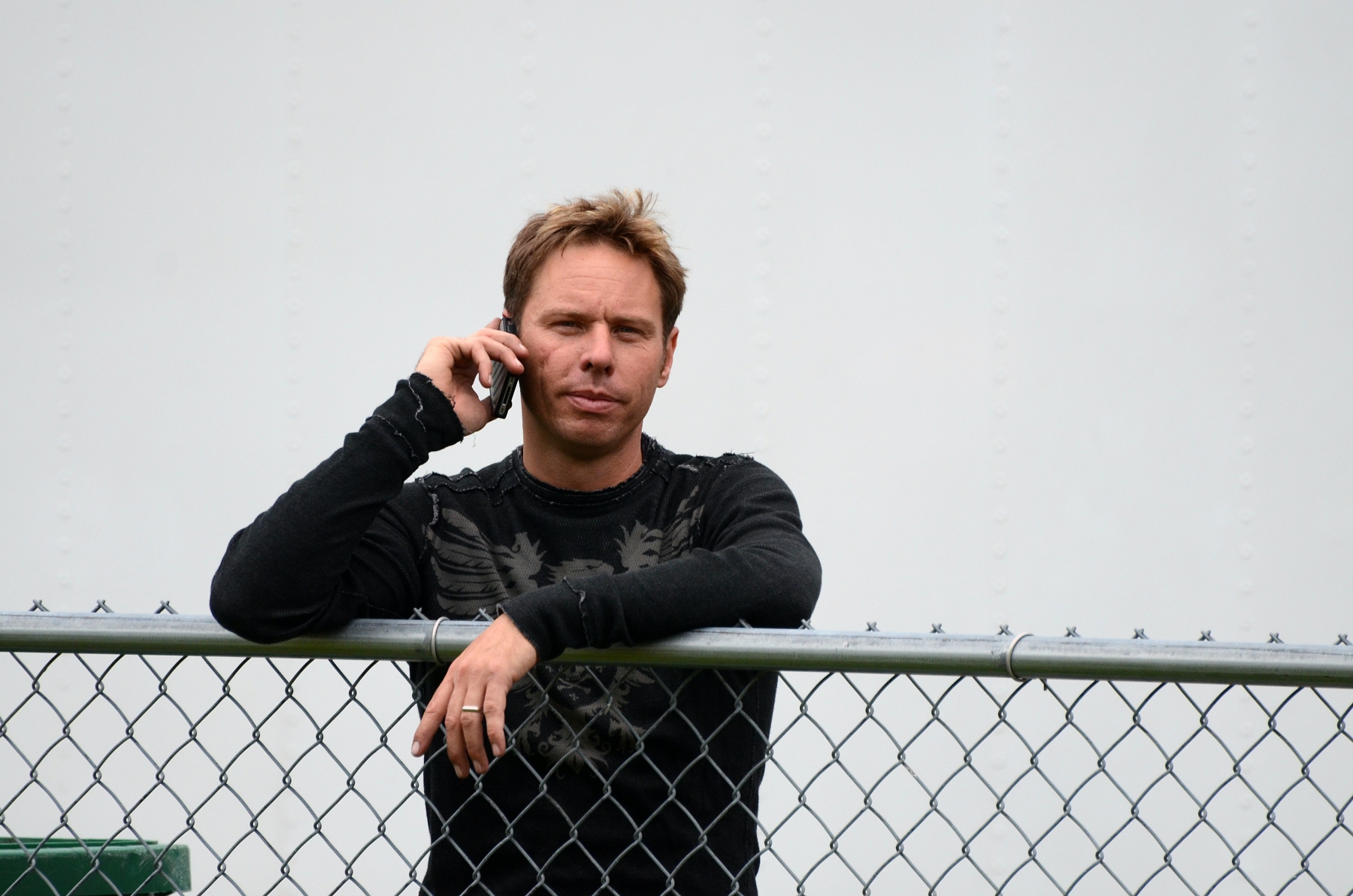
“My dad was always big into roundy-round racing, asphalt. He never drove, but he owned four cars and he would have different drivers for the four cars. He always ran Buicks, just local stuff around here in Ohio. I guess it would have been from the late-‘50s up until the early-‘70s, so I never got to go to the track with him or anything like that; I’ve only seen pictures,” says Butcher, who was born in 1972.
“My brothers were a lot older, so they were into it a bit, but that whole era, my mom eventually put an end to it. I was so far behind that whole growth of the family; it was just completely different when it was time for me, completely different.”
Regardless of his mother’s wishes, Butcher says his brothers still got into a little drag racing as he became a young teenager. He remembers them heading to the track along with some cousins who raced and he would occasionally be allowed to tag along. By the time he reached his 16th birthday, Butcher says he felt more than ready to hit the strip himself.
“My mom had bought a brand-new mini Caravan in ‘85. It was maroon with wood paneling on the side. So I would pretend that I was going to go to the movies or something and we would go down to Dragway 42 and do the Friday-night street racing with the minivan.
“I never did win anything with it; I think I was a little too scared to win. I wouldn’t have been able to bring home the trophy if I had won one, and that’s all you got was a trophy. So I wouldn’t have been allowed to bring it home because if my mom would have found out we were racing her minivan she wouldn’t have been too happy about it. She’s 86 now and she still doesn’t know,” Butcher claims. “I’m still scared of her.”
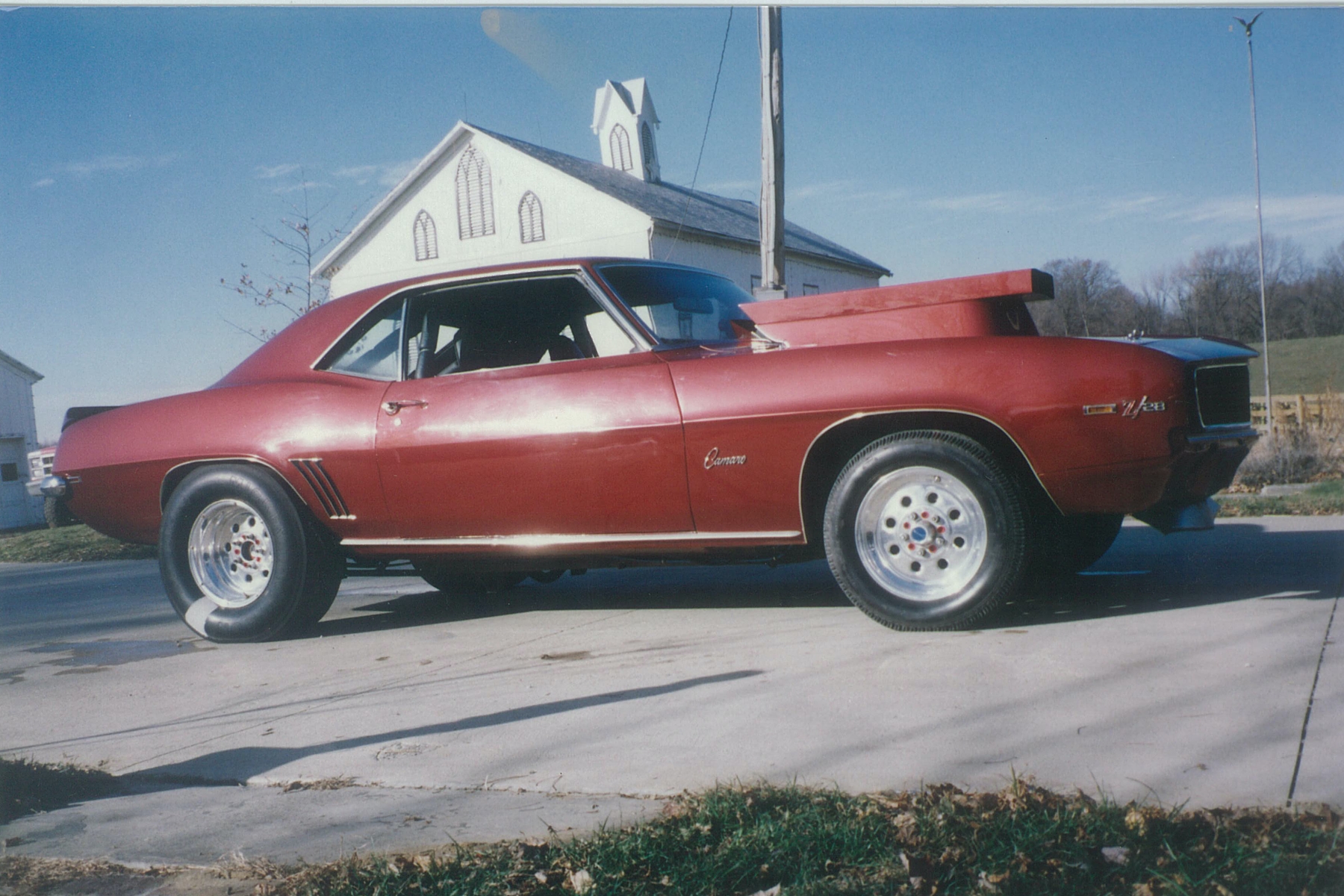
Late in 1988, Butcher purchased a brand-new Camaro and started racing it, but almost immediately he felt the need to go faster and bought his first ’69 Camaro with a 350 backed up by a Muncie four-speed rock crusher transmission. “All it did was blow the tires off,” he says. But the fix seemed obvious—make the switch to slicks.
“Well, we couldn’t get the slicks on, so we tried air shocks to raise the car up enough so I could get them on. But the first time we throw the slicks in the back of the Camaro and I drive it to the race track and we pump the air shocks way up to get the slicks on I didn’t even pass tech because I didn’t have a driveshaft loop on the car,” Butcher recalls.
“So then we put the regular tires back on, blow them off. You tried everything to get by. I ended up putting the drive shaft loop on and doing the whole thing again, but that still never worked. It still just wanted to blow the tires off. That’s when I said, ‘Well, we got to get a chassis car,’ and I ended up selling that car to buy my first chassis car, another ’69 Camaro, just a back-half car with a 396 in it.”
That was 1991, the same year one more lasting benefit came from Butcher’s college days, as he met Linda Yebaile, a pretty 20-year-old transportation management student who five years later would become his wife.
“She had never been to the race track, didn’t know what a race track was, never even heard of a race track, didn’t even know there was such a thing as drag racing. She was big into hockey, so we would go to hockey games together and I said well, you got to come to the race track with me. So she started going to the race track and learning, kind of watching and learning,” Butcher says.
Meanwhile, he ran the ’69 in local bracket action for another year before picking up his first tube-chassis car in 1992, this time a ’68 Camaro. “It was a box-tube-chassis car, but nonetheless, a tube car,” Butcher says. He raced in local Quick-8s and Super Pro with it, eventually running a career-best 7.98 to that point.
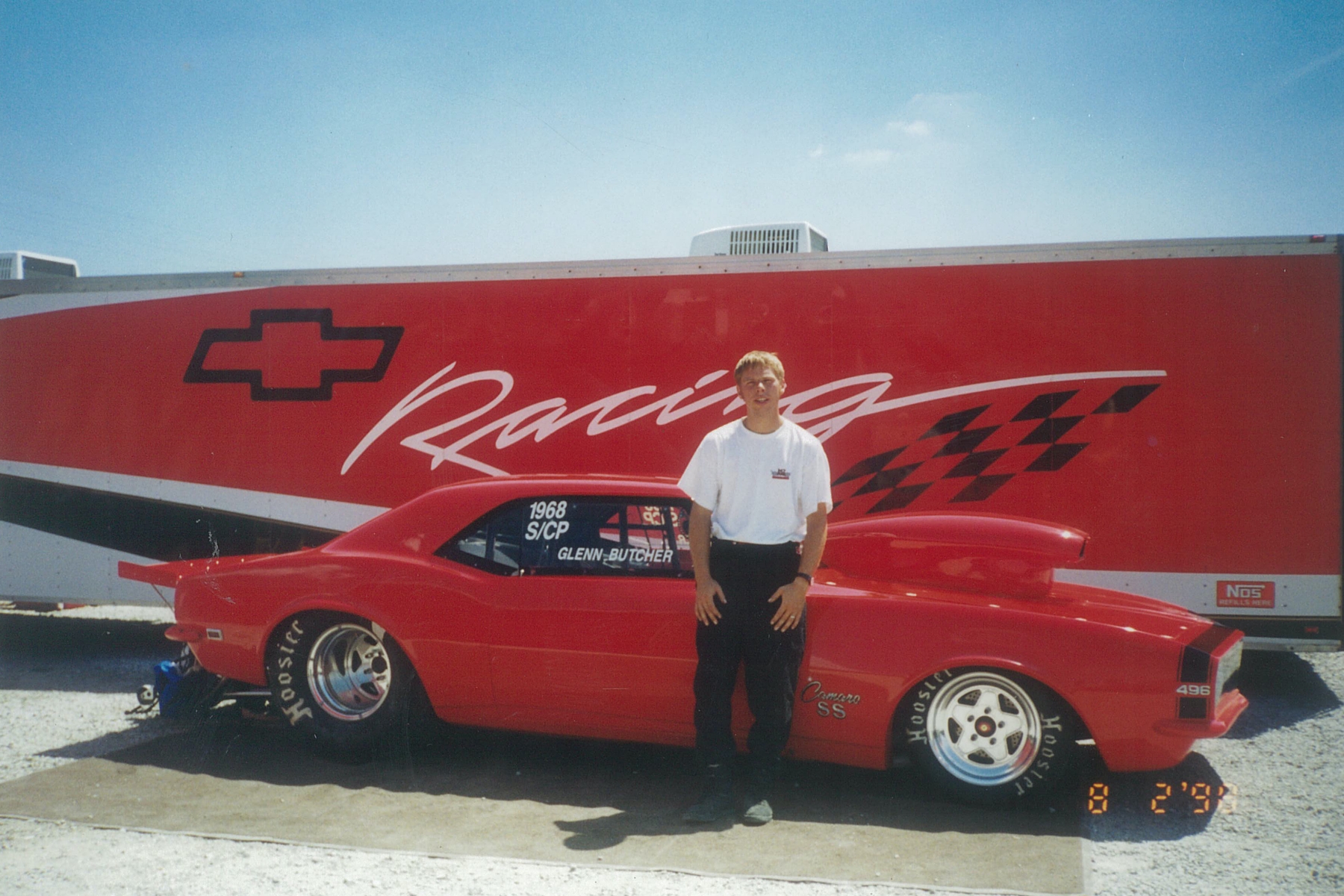
“That’s when we started experimenting a little bit with nitrous, too, so I got rid of the ’68 and got me a real chromoly tube car. I bought a ’63 Corvette and that’s kind of where my paint scheme came from,” Butcher says of the red-with-flames motif his cars have sported ever since.
“Believe it or not, Spitzer built that car. I think it was one of the only door cars they ever made. It was an okay car, but it wasn’t outstanding. But I didn’t know. When I bought the thing, I was looking for a name-brand car and I’d seen Spitzer’s name before so I ran and picked it up in Cincinnati. A guy had bought it and never even got the chance to race it, so it was pretty much a brand-new car. Very, very few runs on it; I think he may have made a couple passes.
“It also had a real good motor, which made a world of difference. Then we finally started having Marco Abruzzi build me a good transmission and we had a car that would actually work pretty good.”
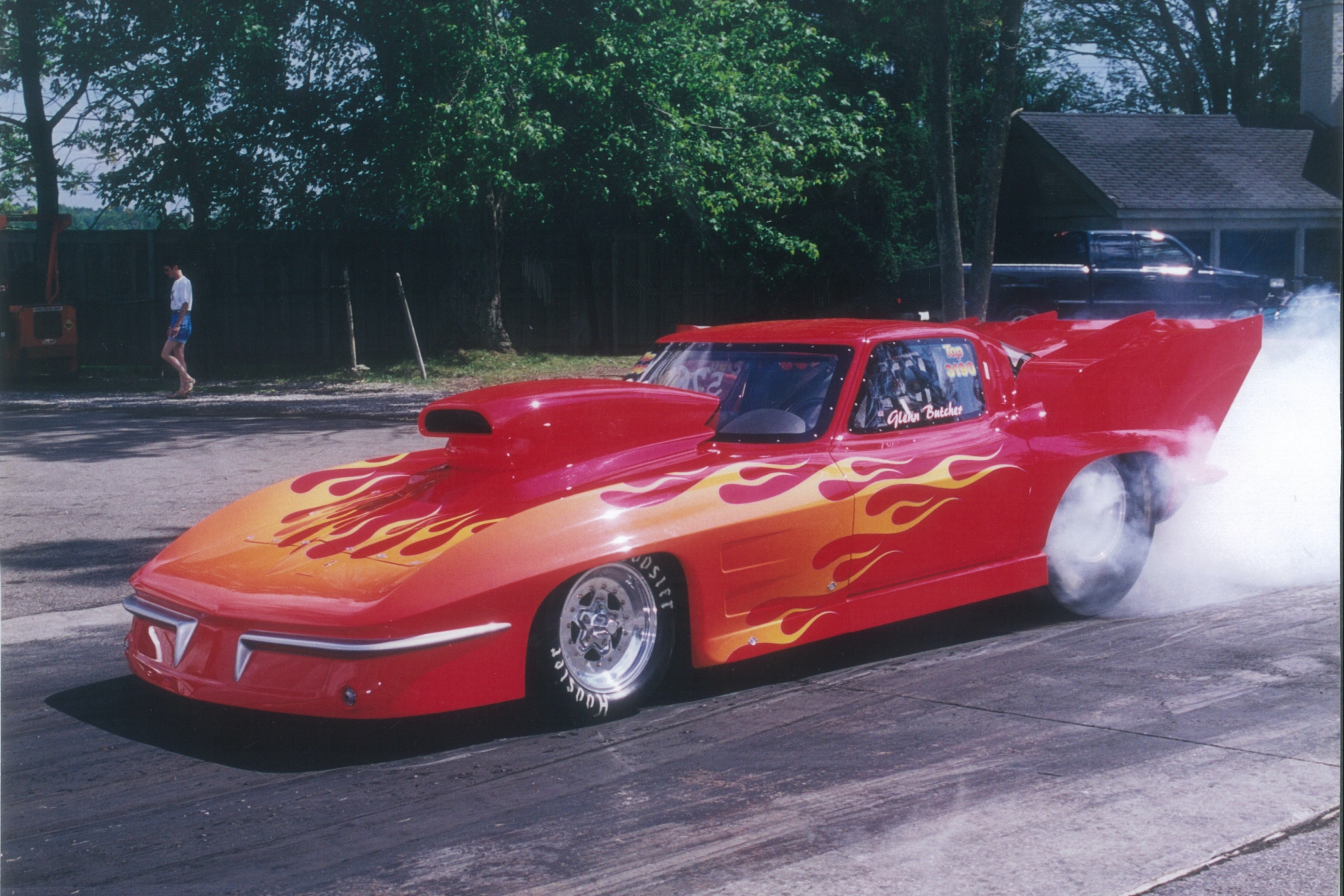
Butcher’s first Top Sportsman experience came in 2002 with the Vette, but he admits it wasn’t a particularly well-orchestrated debut.
“IHRA had a divisional race at Dragway 42 back then, which we didn’t go there a lot, but that would be our closest track to home, so I just said let’s go. So we hopped in the truck and went down there, showed up on Saturday. We didn’t even have the car because I didn’t know what it took to race the class completely at that time. I wasn’t sure. So I started asking around, what do I need to do? We race Quick-8 stuff here and there, what do we need to have to race Top Sportsman? And we talked to who to this day has become an extremely, extremely good friend of mine, and that’s Billy Thoman.
“I just walked up to Billy and said, ‘Billy, what do you need to run this class?’ He told me, well, you got to have this, you got to have that, you got to have an engine diaper. I said an engine diaper, what’s that? I was pretty naïve so I asked him, where do you get one of these? He says, well, they can be hard to find.
“But it just so happens that Carl from Stroud was at the race track for the divisional—which is unheard of—but because IHRA went from 42 to Norwalk, it was just back-to-back races, so he was there and I got the engine diaper on Saturday. Didn’t have the car; it was still at the house.
“So we ran home, put everything on the car, loaded it up in the trailer. We were up all night getting everything prepped and ready and went back, and said we’re racing tomorrow. So we went back on Sunday morning, got teched in and it just so happens that we didn’t even get a time run, so we just dialed the car off of what we normally would do and went out and won our first round. I think we won second round that day, too. We were so ecstatic. Just the fact that we were racing that thing in Top Sportsman was really, really cool. So that was our first experience.”
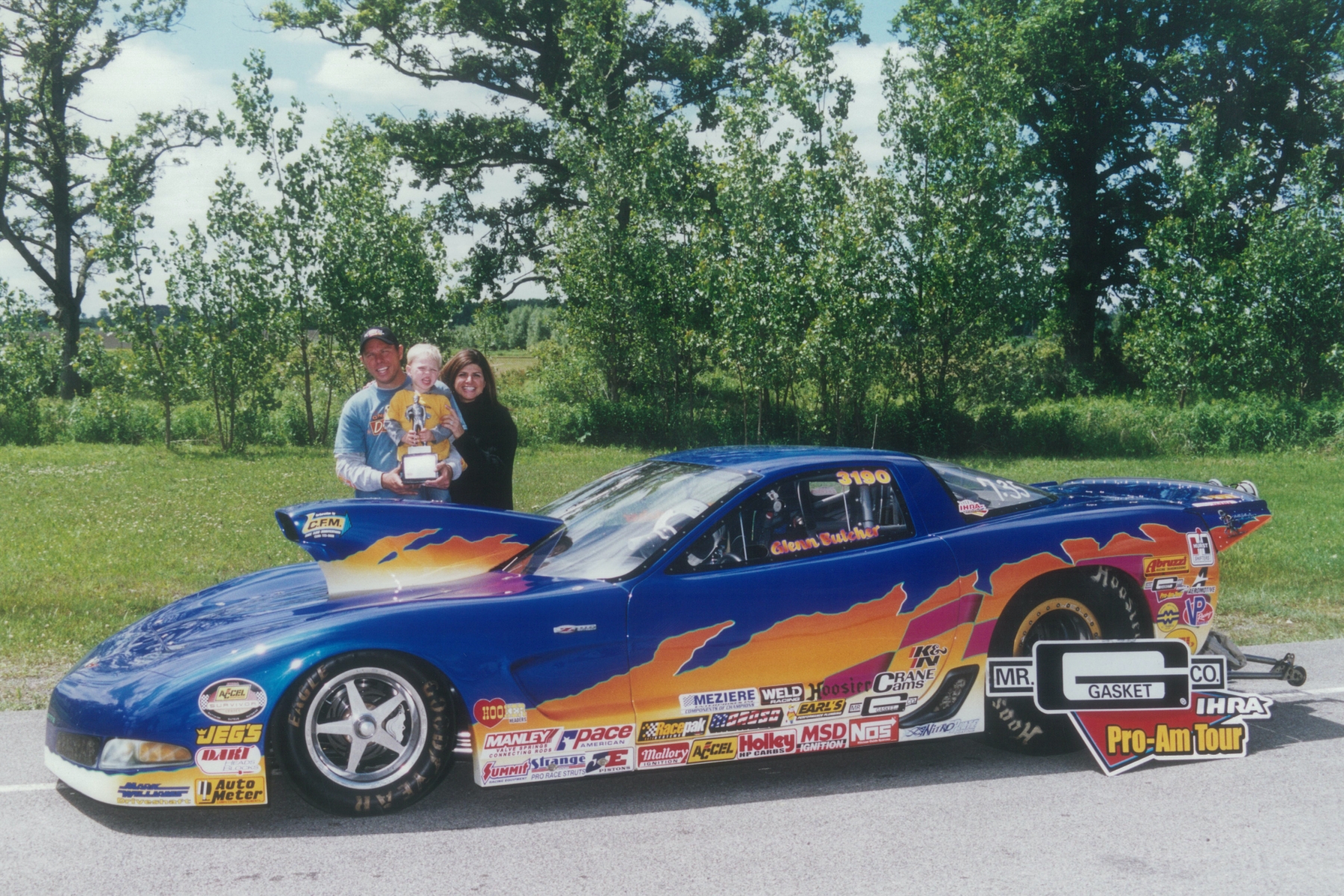
When the 2003 IHRA season came around, Butcher was ready to attack it with gusto. He drew up a plan to hit as many national events as possible and says it led to the first time he really felt successful as a drag racer.
“We got to win quite a few races with it, won a lot of rounds,” Butcher remembers fondly. “We’d done fairly well in the Quick 8 stuff, but that was our first time doing pretty good in the bracket racing, when we really knew we could compete and had the right stuff to compete.
“Most everything we raced back then was all IHRA stuff,” he continues. “I did win my first NHRA divisional race at National Trail in ‘04 with that car and I think I was one of the first IHRA racers to win an NHRA Wally. And when you won the Wally back then it was like, wow, because there was a division between IHRA Top Sportsman and NHRA Top Sportsman. Everybody looked at the NHRA as inferior back then because it was just kind of starting up and IHRA was where it was at. That’s all changed now.”
By the late-2000s, Butcher was perennially near the top of the IHRA points list, recording a stretch of four consecutive top-10 finishes in a Garret Livingston-built ’68 Camaro he took delivery of early in ‘08, Butcher’s first made-to-order car.
“Every part about it was exactly how I wanted it, constructed and built. Garret knows me, he knows I’m a little eccentric and I like a little bit of bling. So that car had everything but curb feelers. It was exotic and really cool and a great car,” Butcher says. “And it was mine. It was the first one that I had helped design or helped lay out the way I wanted it, and it just became a part of me, part of my family, like one of the kids.
“And it was an incredible race car,” he stresses. “Butch Peterson, who helps me out a lot with the chassis, he named the car ‘Big Red’ and Chris Holbrook built me a brand-new 706 for that thing; Marco built me a killer transmission; that car was just incredible. We won the second race out with it. It was very competitive, always consistent. The worst thing that car had was its driver. If the driver was any good, Big Red was going to win.”
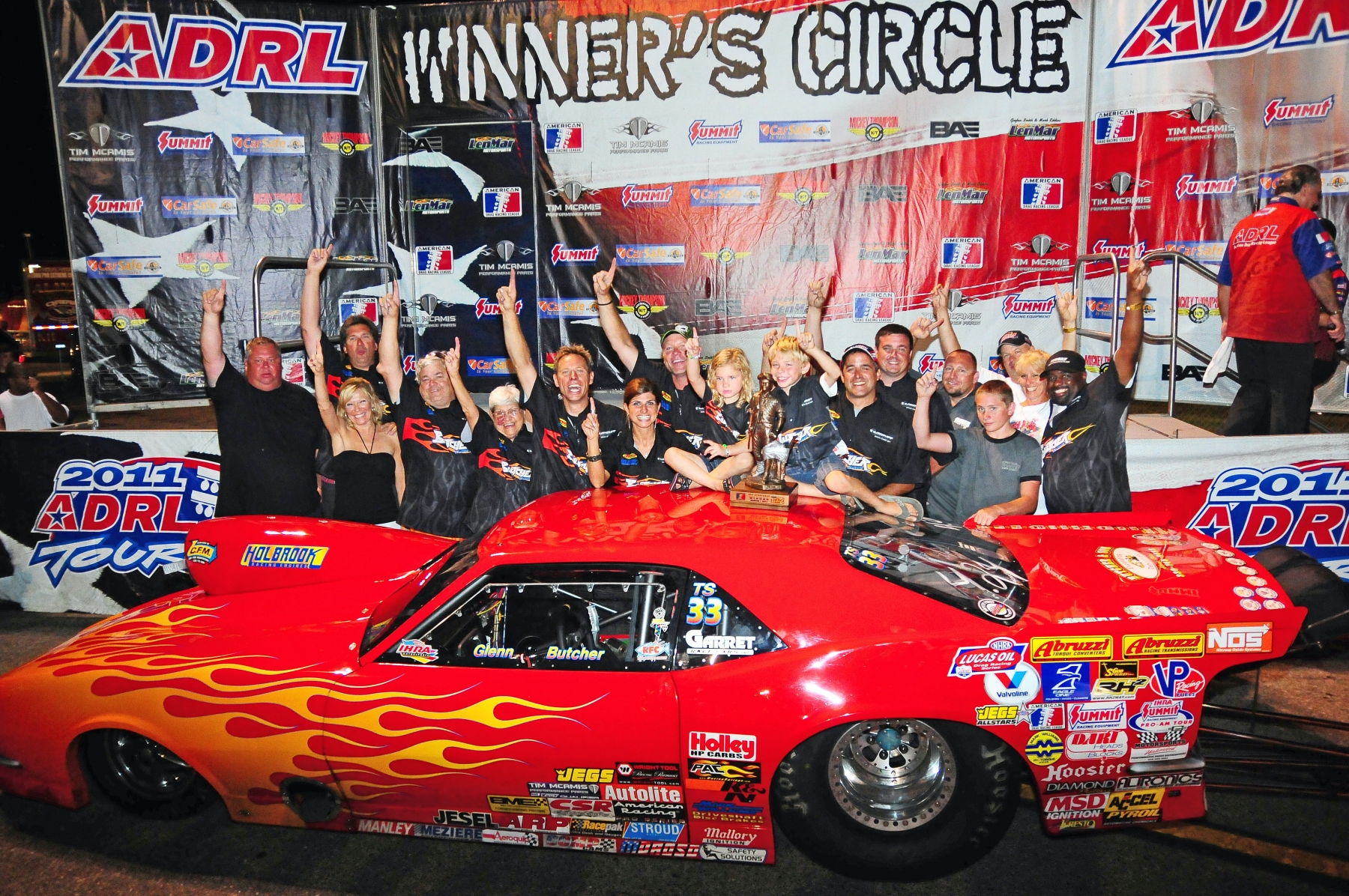
As the decade ended, though, Butcher sensed a change in IHRA culture that had him looking for Top Sportsman alternatives beyond the rival NHRA. Coincidentally, he was among a group of four drivers invited in May 2011 to participate in the first-ever appearance of Top Sportsman at an ADRL event. The four-car display at Pennsylvania’s Maple Grove Raceway was an exhibition only, but two months later at Martin, Michigan, Butcher went into the record books as the first winner of an official ADRL Top Sportsman event.
He continued with the ADRL through its inaugural partial season and ran the full schedule in 2012 before parting with his beloved ’68—immediately after making it to the final round of the year-ending ADRL World Finals at the Texas Motorplex, near Dallas.
“I sold it to Chris Gulitti and before the finals I said if I win it, I’m not selling; if I lose, you’ve got to come pick it up on the return road. Well, I lost but I felt guilty so I towed it back to the pits for him,” Butcher says. “But I couldn’t watch him load it. I went to the winners circle and congratulated everybody, but I wouldn’t come back until it was trailered with the door shut. I couldn’t do it; I just couldn’t do it.”
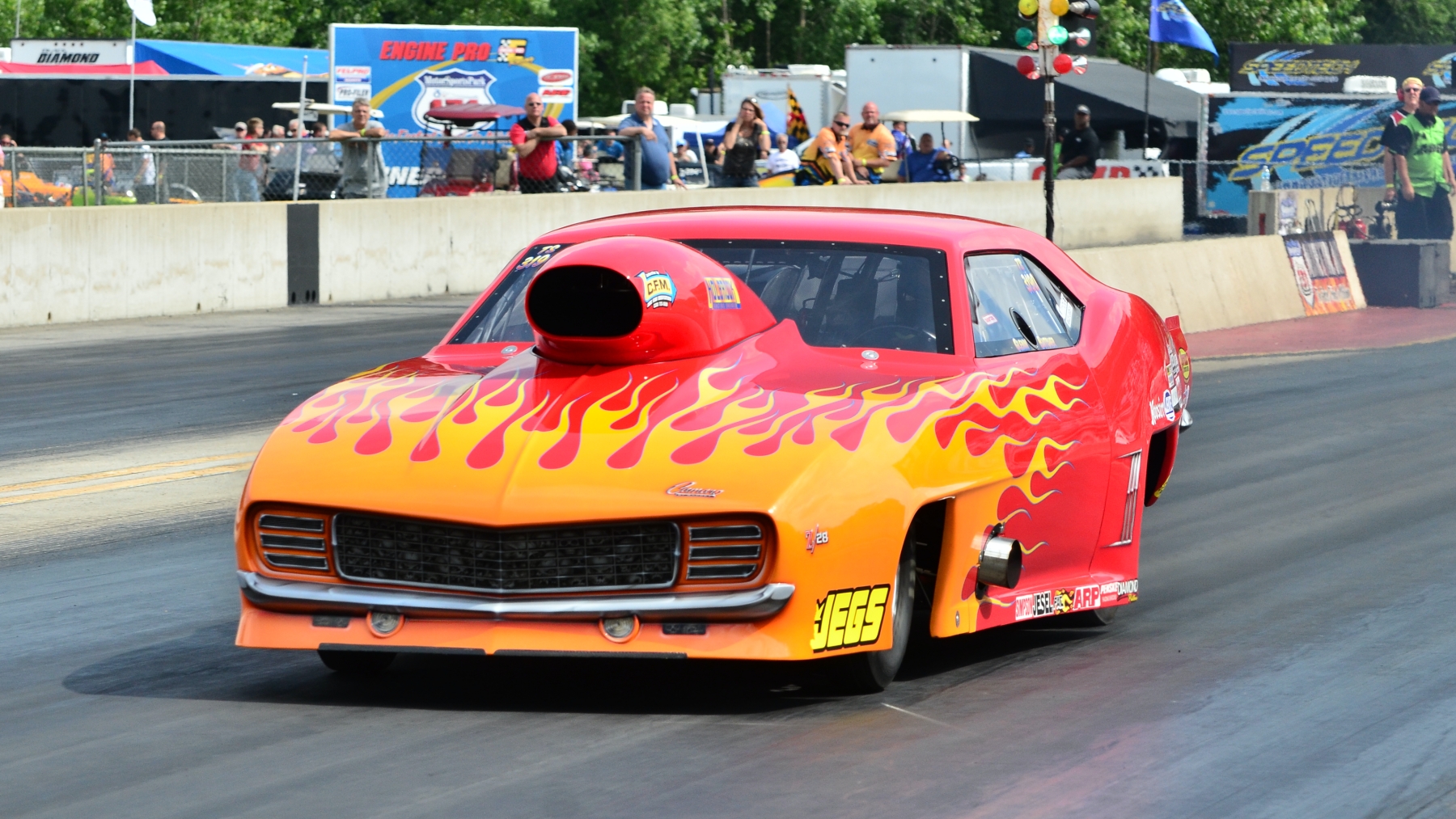
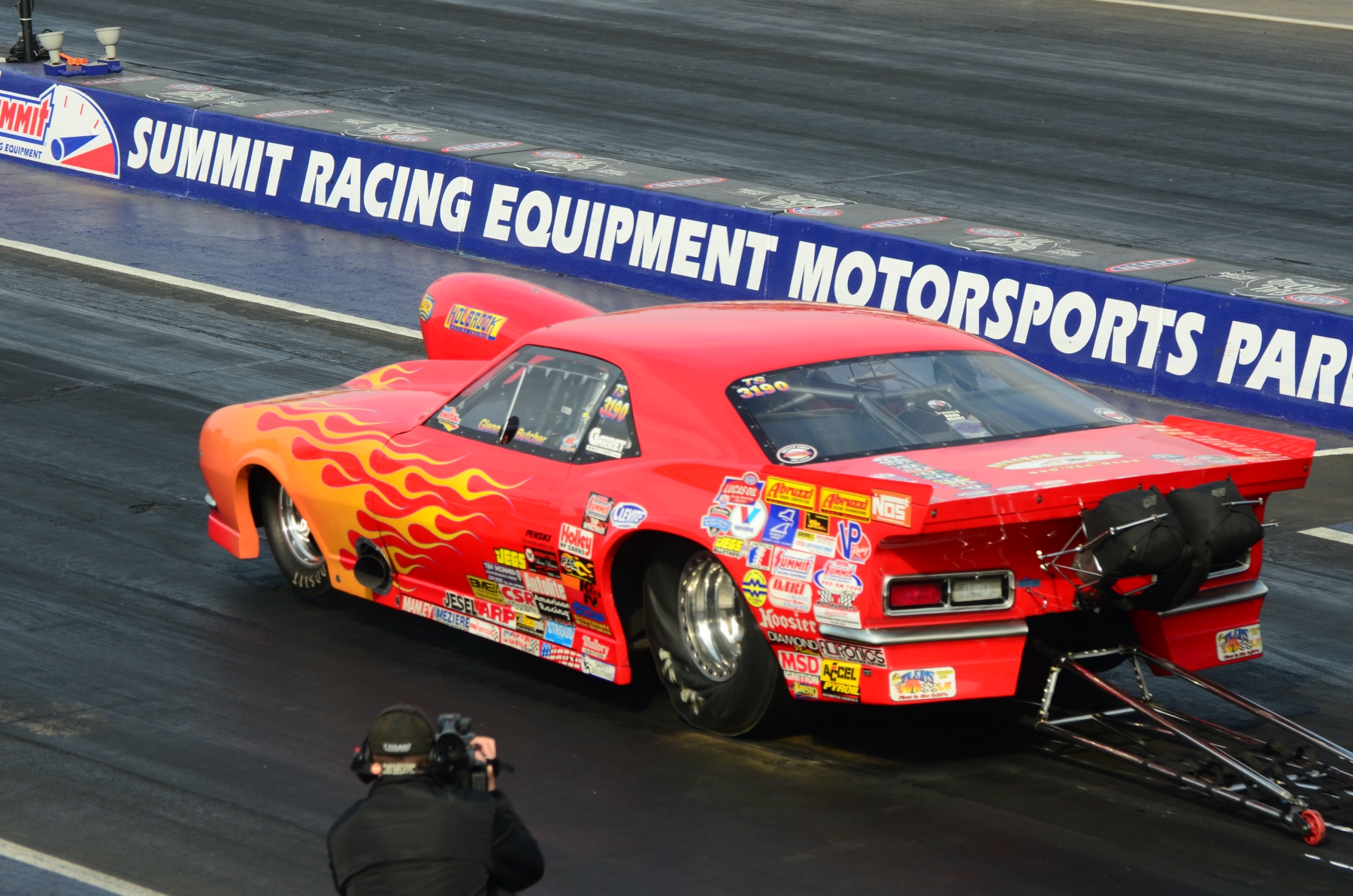
Butcher knew, though, he had something new coming, something he hoped would be equally impressive and certainly every bit as personal. As one of the last two cars completed in Livingston’s shop before he merged it into Larry Jeffers’ chassis organization early in 2013, Butcher’s current ride set a new standard when it debuted during the X-DRL event last April at Bristol Dragway in Tennessee.
“It’s way exotic. It’s got everything, a machine-gun-barrel steering wheel, LED lights throughout the whole thing, titanium slip-jointed tube, skulls and flames pressed right into the titanium firewall. The whole back half of the car is titanium. We put all this titanium in it so that we could put 200 pounds of chrome weight bars in the car,” Butcher says, explaining it also left open the option to someday step up from Top Sportsman to the flyweight Pro Nitrous division.
Beyond the titanium and common custom touches, though, Butcher’s current ’69 Camaro includes a special hinged-door compartment in the driver’s door and a unique padded seat that flips up and locks in place horizontally so he has a more comfortable perch while riding the roll cage to and from the staging lanes.
“I don’t like wearing my fire suit to the starting line, so I usually go up in shorts and flip-flops and then I put everything on when the car in front of me is in the burnout box. I wait until the last minute. Then, before the other guy gets out of the car, I’m usually back in my flip-flops. So I had Garret make a little compartment in the door to put my flip-flops in and when I get to the other end, I can pop them out and throw them on,” Butcher explains.
“I’ve also got a horn in the car; every race car should have a horn,” he states. “I love to pick on the Safety Safari guys when you’re coming around the corner at the top end. I’ll drive at them and beep the horn and act like I don’t have any control. And they always jump back and then they laugh; they can’t believe I’ve got a horn. But it comes in handy sometimes, too. I’ve used it a couple of times just to get someone’s attention when I’m sitting in the lanes or the burnout box.”
So far with the new car Butcher won a Quick-4 race at Norwalk last year, as well as recorded a couple of runner-up finishes and several semi-final appearances in NHRA Top Sportsman competition. “Unfortunately this car has not yet seen a full-blown national event or divisional final, but it’s so close,” he says.
This season Butcher plans to stick relatively close to his Ohio home, with a few PDRA races on the schedule along with some NHRA national and divisional events that permit him to run a new two-car team.
“My boy, Max, he started Junior Dragster racing so we’re trying to compete for time between him and me both. I think he hated me for two years from when he was eight because I didn’t buy him a car right away. But this year we bought him a brand-new, turnkey Half Scale dragster when he turned 10,” Butcher says.
Late this June in Michigan, both Butchers made their 2014 PDRA debuts, with Glenn qualifying ninth in Top Sportsman and falling in the second round, while in his first race ever Max started from the number-four spot in Top Junior Dragster before a two-thousandths-of-a-second red light ended his day in the semi finals.
“Max is all about racing; that’s all he knows and loves,” Butcher says. “He was still in the womb when he made his first trips to the track and there’s probably been 10 passes that he hasn’t seen me make since he’s been born. I don’t like going without him and he doesn’t like when he doesn’t go with me. He definitely has a passion and a knowledge for it and he’s already really, really smart about racing.”
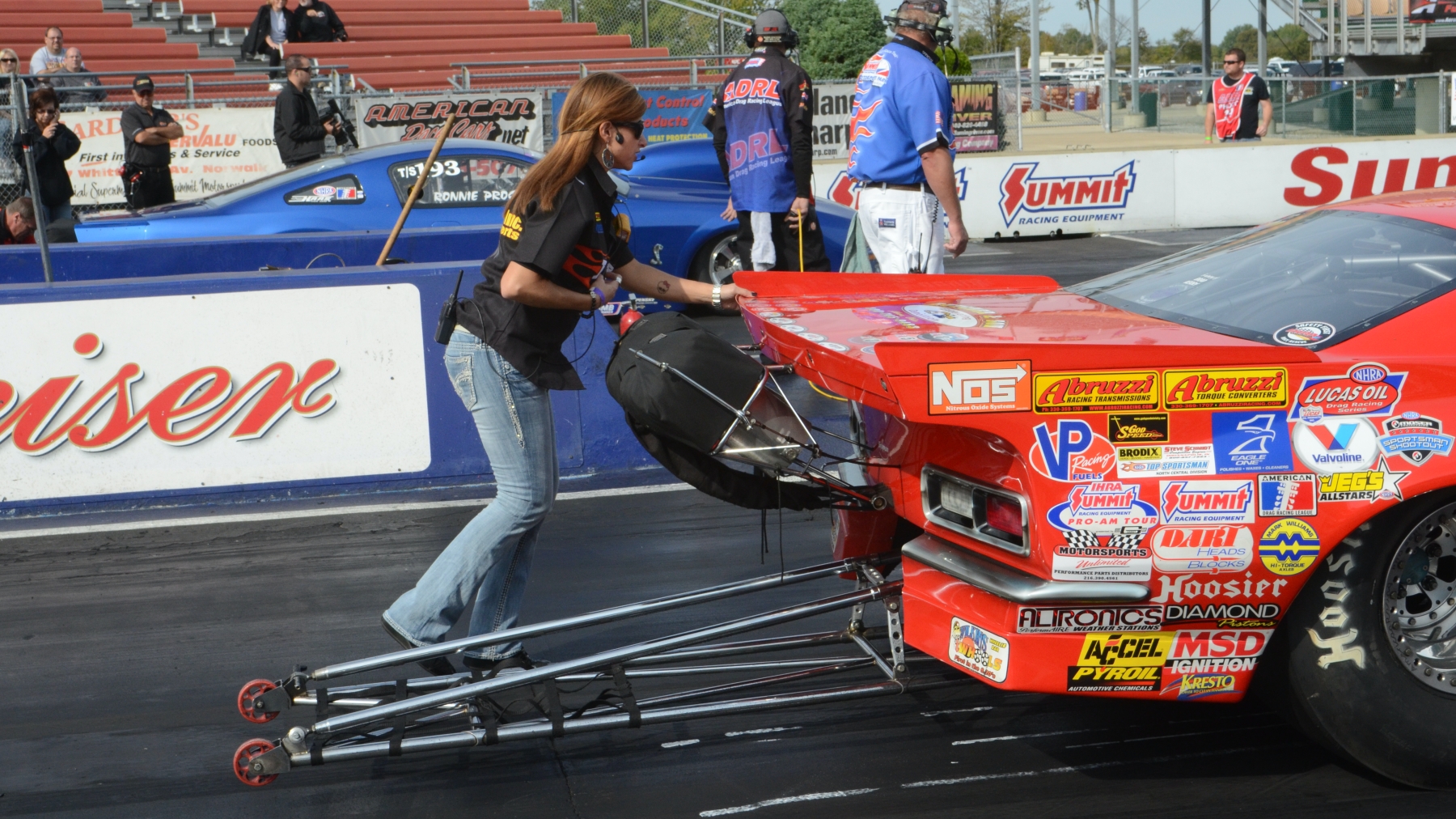
Butcher obviously is thrilled to have his son racing as a teammate, but if not for his wife, he insists, there would be no Butcher Racing team. Whether it’s making a late-night run to the grocery store and packing the rig before heading out to the track, or making sandwiches and keeping everyone happy and hydrated along the way, or performing basic maintenance between round, Butcher says Linda is always on top of things.
“And I don’t make it easy,” he admits. “They say it looks like I’m trying to run for president of Top Sportsman sometimes, because once we get to the lanes I like to talk. I walk up through the lanes and I’m looking and talking to people and she’s back with the car, without a driver, still maintaining the bottles and the tire pressures and everything else, and I’m up there fist pumping guys and talking and checking out the racing surface and this and that.
“Then I show up just in time for her to yell at me about getting in the car; it’s time to go. So she has a huge role. Without her, I don’t know what I would do. Other than steer the car, she does everything else. Once we get out there, there’s complete comfort and confidence for me in what she’s doing behind the car.”
Butcher also credits Linda’s mother, Titi (“She’s from Venezuela and that’s Spanish for grandmother.”), for her contributions to the team, both at the track and when they return home. “When we come home from the track she does all the laundry from the truck, cleans the grills, gets the coolers ready. She’s a big part at the track as well, big support. She’s always willing to pack the parachutes, but I won’t let her do that job. That’s one thing I want to do myself. It’s not quite jumping out of an airplane, but it’s close enough that I don’t want to have anyone to blame if it doesn’t work.”
And while his wife’s race-day effort is absolutely critical to his on-track success, Butcher insists it’s not the most important factor in keeping him out there.
“The fact that she’s willing to be involved is one thing, but supporting it, supporting me, is so crucial because it’s an expensive, dumb hobby. It really is. We spend a lot of money to maybe win back a little. Nobody is making money at this,” he points out. “So when I hear somebody say something like, ‘Oh, I see she got a new pair of shoes,’ I say she can have as many shoes as she wants. How are you going to say no, you can’t have a new pair of shoes or whatever when you’re going out there spending all this money just to get to the track?
“Back in the bracket racing days there wasn’t much for her to do, but when we slipped into Top Sportsman, it was completely different,” he continues. “There was a lot more involvement, a lot more need for somebody to help. And she was right there. She loved it and it became a passion of hers as well. So it’s been really, really cool. Without Linda, I wouldn’t race. If my family didn’t go with me to the track, I wouldn’t go. It would be hard to leave them at home and just take a bunch of guys with me.”
But Butcher says that sense of family extends even beyond his wife and son and seven-year-old daughter Lyla, “my biggest cheerleader, by far.” An extended family is largely responsible for keeping him interested and involved in racing, too.
“It’s amazing; we have a great group of racers in all the classes, but especially in the Top Sportsman class it seems there are so many racers that if you’re ever in need of anything they’ll be right there. We have cookouts or eat together, spend time in the evening together, even talk on the phone throughout the week,” he says. “We’re all just a bunch of car guys that travel from place to place and just hang out. It’s like a family reunion every time you go to the track. You know everybody and everybody knows you. The kids all hang out together, ride scooters, talk. It’s an awesome, fun family place; it really is. It really is all about family.”
And fun. Butcher is having fun, regardless of what the results sheet may say at the end of a weekend.
“I love Top Sportsman because I like going fast and I like the bracket race end of it. I like hitting the tree and racing to the finish line. I like that whole double combination; everything has got to be right and the driver has got to be right,” he says. “It’s not about who has the most money and who can find a way to make the car the fastest; it’s about the combination. I think it takes more involvement of the driver than any other class. To bracket race a door car at over 200 miles an hour, I think that’s incredible. It’s also really, really fun.”
This story was originally published on April 6, 2026. 
The post DI CLASSIC: Whether Working or Racing, Life’s A Blast For Glenn Butcher first appeared on Drag Illustrated.